01
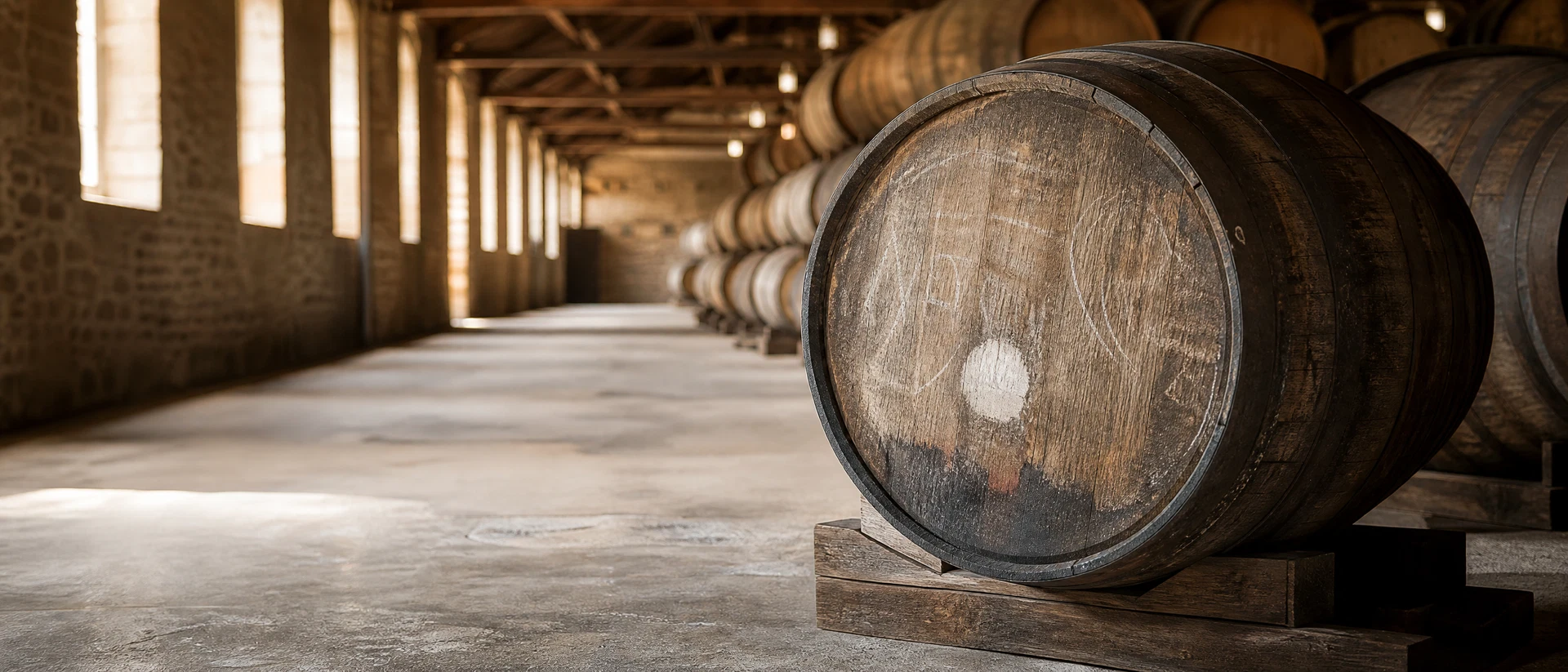
You own the cask outright.
Certificate of ownership and delivery order, both in your name.
Maltaro sources individually owned Scotch whisky and Irish whiskey casks, stored in bonded warehouses with full documentation and clear pricing.
Ownership sequence
The ownership record and storage route should be clear before you decide whether a cask is right for you.
Certificate of ownership and delivery order, both in your name.
Opened in your name before the cask is transferred.
The warehouse record identifies the cask alongside your certificate of ownership and delivery order.
Visit and sample your cask, subject to the relevant warehouse arrangement.
Whisky ownership and storage
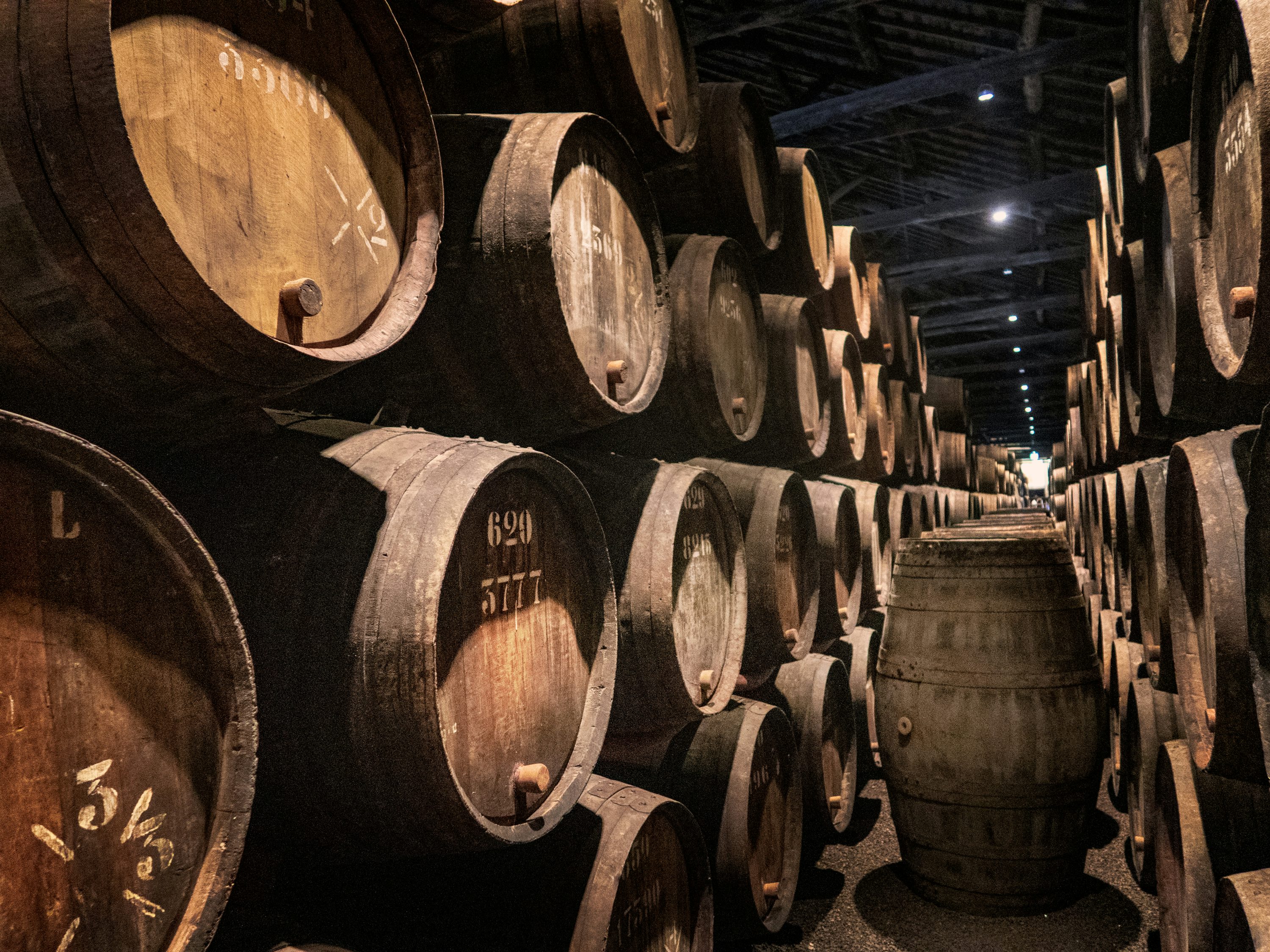
Your cask is held in an HMRC-approved bonded warehouse—the same facilities the industry uses for its own stock. We tell you which warehouse before you buy, so you can look it up yourself.
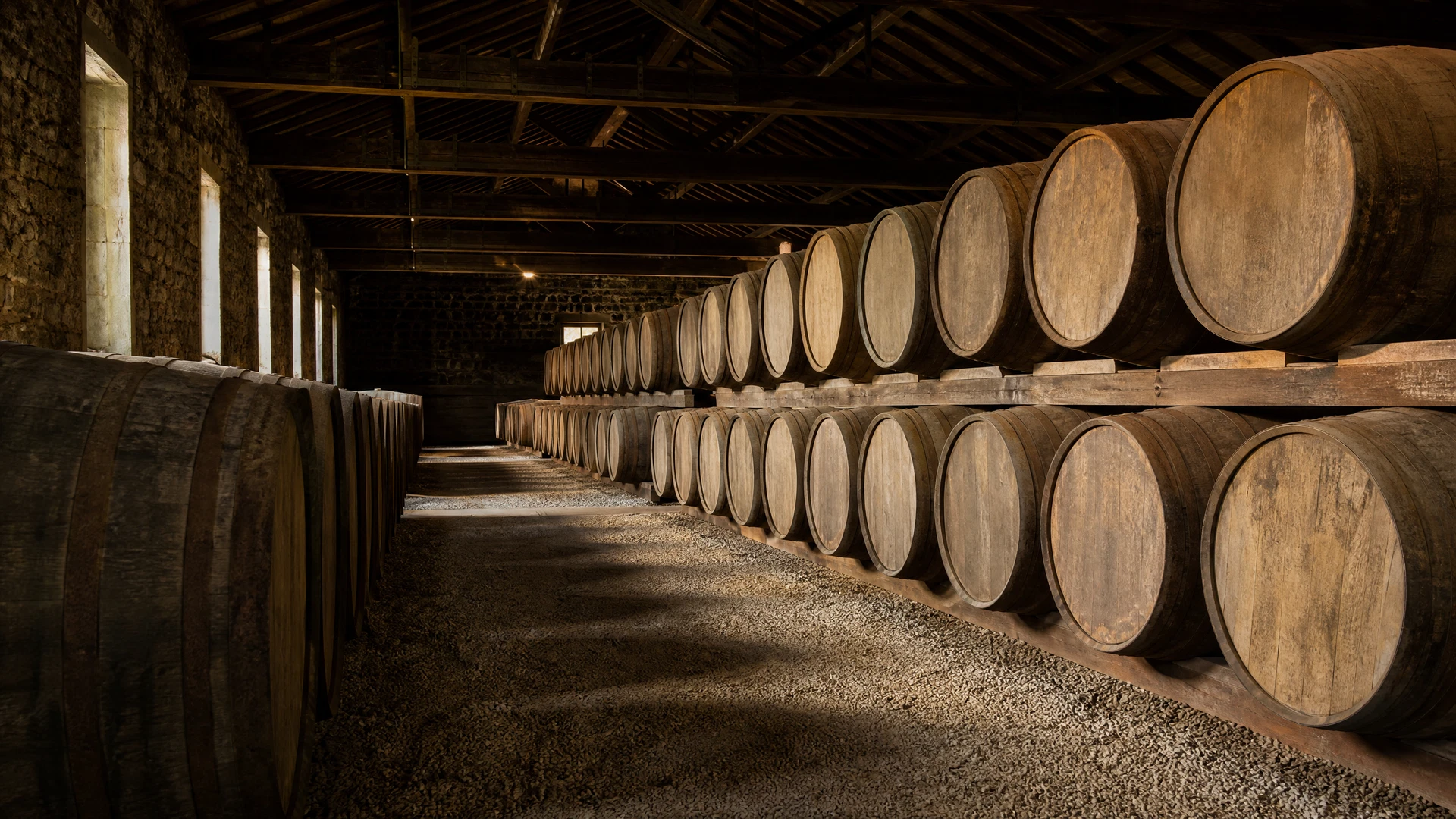
The cask is yours—not pooled, not part of a scheme. You own the cask, outright, in your name.
The paperwork that matches your cask. Issued in your name. Yours to keep.
Stored at an HMRC bonded warehouse in Scotland. Professionally managed, insured, and properly looked after.
Visit your cask, taste a sample, take a distillery tour. We can arrange it—it's your asset, and you should know where it is.
Your decision
It is your asset. You decide when to sell, how to sell it, or whether to bottle it: private sale, auction, or bottling.
Commercial terms
Discuss pricing and cask terms directly by phone before reviewing a quote.
Regauge & RLA
Ask when the cask was last measured and what the record shows.
Bonded storage
Confirm the warehouse arrangement, certificate of ownership and delivery order.
Selling routes
Discuss private sale, auction, or bottling routes.
Whisky cask guide
A practical introduction to ownership documents, bonded storage, measurements and sale routes.
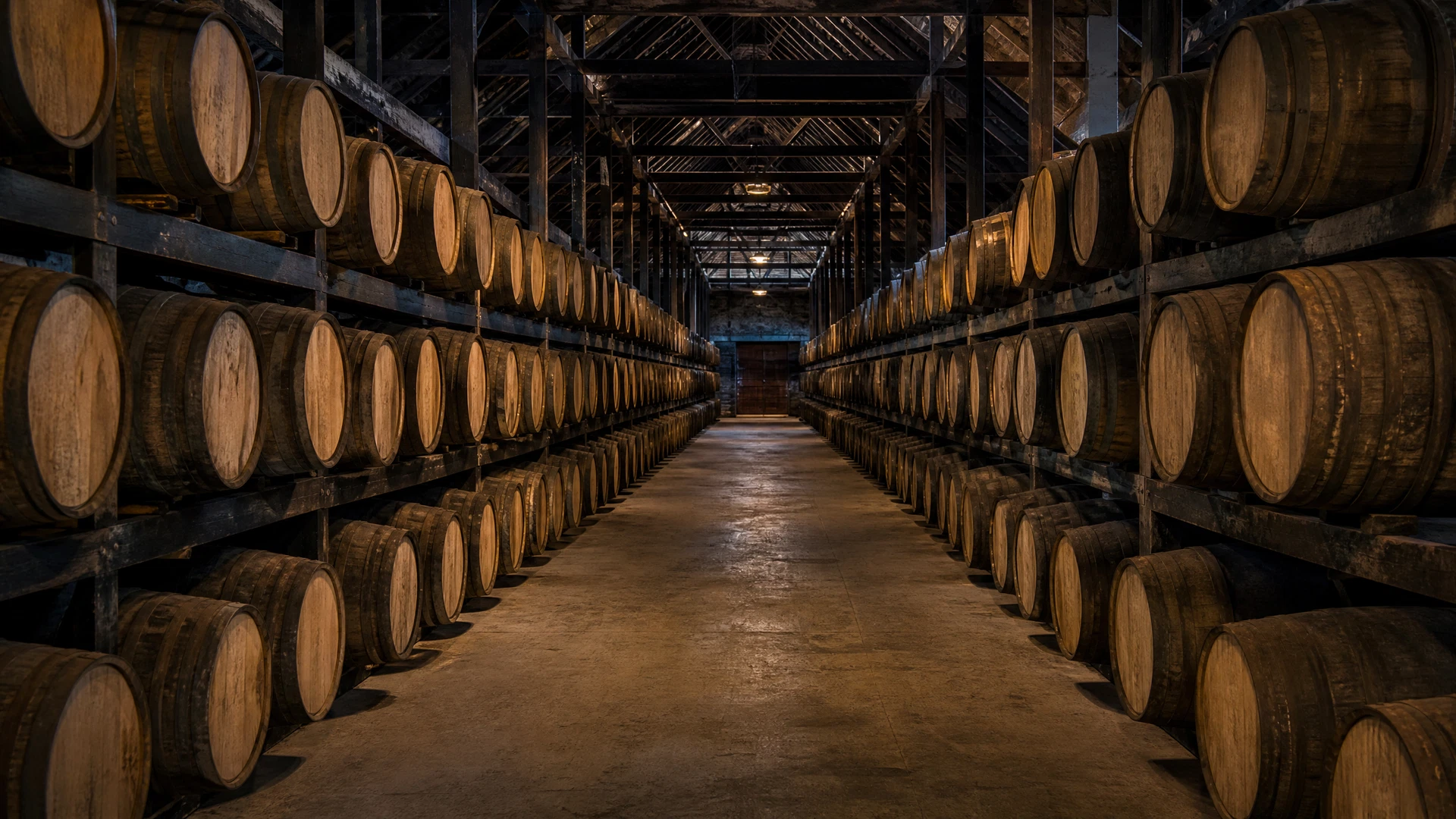
Inside the cask
A cask does not mature according to a spreadsheet. Understanding the spirit is useful; retaining a dated record of what is actually there is essential.
For Scotch Whisky, maturation takes place in oak in Scotland for at least three years. The wood, spirit and warehouse conditions all shape the liquid over time.
Natural evaporation, often called the angel’s share, means the liquid and alcohol held in a cask change as it matures. The rate is not fixed and should not be treated as a value forecast.
A current regauge, ABV and litres of alcohol give a dated picture of the spirit held today. Alongside the cask number, fill date and wood type, they turn a description into something that can be checked.
Scotch maturation requirement: The Scotch Whisky Regulations 2009, regulation 3. General information only; it is not a valuation, forecast, tax, legal, or investment recommendation.
Tax & buyer checks
Cask ownership involves a certificate of ownership and delivery order, duty-suspended storage and practical costs. These points should be clear before you proceed.
UK Capital Gains Tax context
UK rules generally exempt gains on tangible movable property that qualifies as a wasting asset—one with a predictable life of 50 years or less. Cask whisky is commonly considered through this test because maturation steadily reduces volume through evaporation and can reduce alcoholic strength, giving the spirit a finite useful life.
It is not automatic. HMRC looks at the facts and the asset's intended use when it was acquired. Business or trading treatment and other exceptions can change the outcome.
This is general information, not tax advice. Confirm your own position with a qualified tax adviser. Sources: HMRC: wasting assets and HMRC: chattels exemption, checked 30 August 2026.
Ask for the certificate of ownership, delivery order, private warehouse-account records and the documentation that identifies the cask in your name.
The distillery, cask type, fill date, ABV, latest regauge information and warehouse route should be clear before you proceed.
Storage, insurance, transfers, regauges, bottling and selling costs should be discussed before any agreement is made.
Nobody can know what an individual cask will be worth or when it will sell. Treat any projected return with caution.
Cask decision framework
A cask is not a number on a screen. The documentary record, spirit details, ownership route and practical selling options all need to be clear before you decide.
See the export data →Ask for the distillery, cask type, fill date, cask reference, certificate of ownership and delivery order that record the asset.
Age is calculated from the fill date. Current strength and the latest measurement record help explain the spirit still in the cask.
Confirm that your private warehouse account is opened first, followed by your certificate of ownership and delivery order, alongside insurance arrangements and the records you will retain.
Discuss realistic private sale, auction, or bottling routes. Timing and buyer demand can vary, and a buyer is not guaranteed.
This is a decision framework, not a valuation, quote, forecast or recommendation.
The process
A short, documented route from first conversation to ownership in your name.
The route · eight stages
Objectives, horizon, budget, liquidity needs and questions.
Clarify the specialist-asset risks and whether to proceed, pause or stop.
Cask record, warehousekeeper, charges, ownership route and open questions.
Match the documents, seller, warehouse and accepted record route.
See what is included, excluded, payable and unresolved before deciding.
Settle only against matching contractual documents and independently verified bank details. Keep the invoice, receipt and settlement evidence.
Warehouse account and accepted documents identify the buyer and cask.
Records, charges, regauge, visits, samples and later route decisions.
ENQUIRY
Begin with a direct conversation.
Choose the route that fits your enquiry. We keep the first step concise, then respond directly.
Buyer checks
The right documentation and a realistic view of liquidity matter more than a headline story. If an answer is unclear, pause.
We would rather answer a difficult question than rush an acquisition.
Keep the question open
Compare the contract, receipt, certificate, delivery order and warehouse record before you decide.
How do I check you’re legitimate? →The cask. Outright, in your name. The certificate of ownership and the delivery order are the paperwork that records it — both issued in your name, both yours to hold.
Ask this before you acquireFive records, all carrying the same cask number, distillery and fill date (AYS — Age Year Statement): the signed acquisition contract; the receipt for the cleared acquisition sum; the certificate of ownership in your own name; the delivery order in your own name; and the warehousekeeper's accepted record of the ownership change. If any two cannot be matched, keep the question open.
Through the record. You should hold a contract, a receipt, a certificate of ownership and a delivery order in your own name, and the warehousekeeper’s acknowledgement of you as owner. Each should carry the same cask number, distillery, fill date and measurements. You can also ask for a sample or arrange a visit. If the records cannot be matched, keep the question open.
Your private warehouse account is opened in your name first. Once the warehouse receives the cask into that account, your certificate of ownership and delivery order are issued in writing. The delivery order instructs the warehousekeeper to hold the cask to your order.
Ask this before you acquireIn an HMRC-approved bonded warehouse in Scotland. Spirit is held there with duty and VAT suspended while it matures. The warehousekeeper, not Maltaro, physically holds and records the cask.
Ask this before you acquireWe explain the insurance arrangements and the documents available for the specific ownership and storage route being considered. Ask what is covered, by whom and whether any limits or exclusions apply.
Visits and samples depend on the warehousekeeper’s procedures, notice periods and charges. We can explain the available route for the specific cask and arrange a sample or visit where the warehouse permits it.
Ask this before you acquireWe state our commercial terms in writing before you acquire. Storage, insurance, administration, regauges, samples, movement, bottling and selling costs should also be understood before proceeding.
Ask this before you acquireA regauge physically measures bulk litres, alcoholic strength and litres of pure alcohol. It shows what is in the cask now rather than only what was filled. Ask for the latest available record and keep each report with the ownership file.
It is the whisky lost to evaporation through the wood each year. The rate varies by cask, warehouse and climate, so volume and strength both change over time. Below 40% ABV the liquid can no longer be bottled as Scotch Whisky.
The principal routes are private sale, auction, or bottling. We explain what each route involves, its likely documents and costs, and its practical limits. A sale can take time and a buyer is not guaranteed.
Ask this before you acquireNo outcome, buyer, price or timetable is guaranteed. The warehouse and movement of spirit in bond are controlled by HMRC, but private cask sales are not regulated by the Financial Conduct Authority and have no Financial Services Compensation Scheme protection.
Your cask is held in your name on the warehousekeeper’s record. Maltaro is an introducer: it does not own the cask, and the cask does not sit on Maltaro’s balance sheet. Your relationship with the warehouse continues regardless.
Still have a question? Bring it to the first call — nothing is proposed until it is answered.
Talk to us