Index scope
Artprice100© focuses on selected liquid, top-selling artists at public auction and excludes Prints & Multiples. It is not a whole-market index.
Read methodology ↗Fine art · category context
The lead figures on this page cover the completed 2025 market year. They distinguish a published auction-price index from market sales activity, because the two are not interchangeable.
Latest completed year · 2025
One figure is a specific public-auction price index; the other two describe market turnover. Reading both adds useful context, but neither can value a particular work or forecast a future sale.
Index scope
Artprice100© focuses on selected liquid, top-selling artists at public auction and excludes Prints & Multiples. It is not a whole-market index.
Read methodology ↗Sales are not prices
The Art Basel & UBS sales changes record the value of transactions. More or fewer works changing hands can affect turnover without producing the same movement in a price index.
Read market report ↗Individual works
Provenance, condition, attribution, sale venue, costs and liquidity remain decisive for an individual work. None of these measures determines them.
A buyer’s framework
The case for a work cannot be reduced to a generic allocation percentage. The decision begins with the buyer, then the object, then the evidence around the transaction.
Start with purpose, time horizon and the amount you can leave tied up. Fine art should not be treated as a substitute for cash reserves or a guaranteed diversifier.
Ask for provenance, ownership history, invoices and any relevant import or export record. Gaps should be explained before money changes hands.
Condition, attribution, medium, dimensions and restoration history can materially change how two apparently similar works are assessed.
Look beyond the hammer or gallery price to buyer fees, tax, transport, insurance, storage, framing, conservation and eventual selling costs.
Artist indices and auction comparables describe selected transactions. They do not make every work by the same artist equivalent or readily saleable.
Consider likely venue, timing, commissions, buyer depth and the possibility of an unsold lot. A future sale is a process, not an instant quotation.
Allocation
No universal percentage.
Whether fine art has a place at all—and at what scale—depends on liquidity needs, existing concentration, capacity to hold, ownership costs and willingness to accept uncertain timing at exit. Maltaro does not present a standard allocation or personal recommendation.
Buyer-check framework informed by the Responsible Art Market due-diligence toolkit and Goldman Sachs acquisition considerations. General information only; neither source advocates a standard fine-art allocation.
 Artist profile ↗
Artist profile
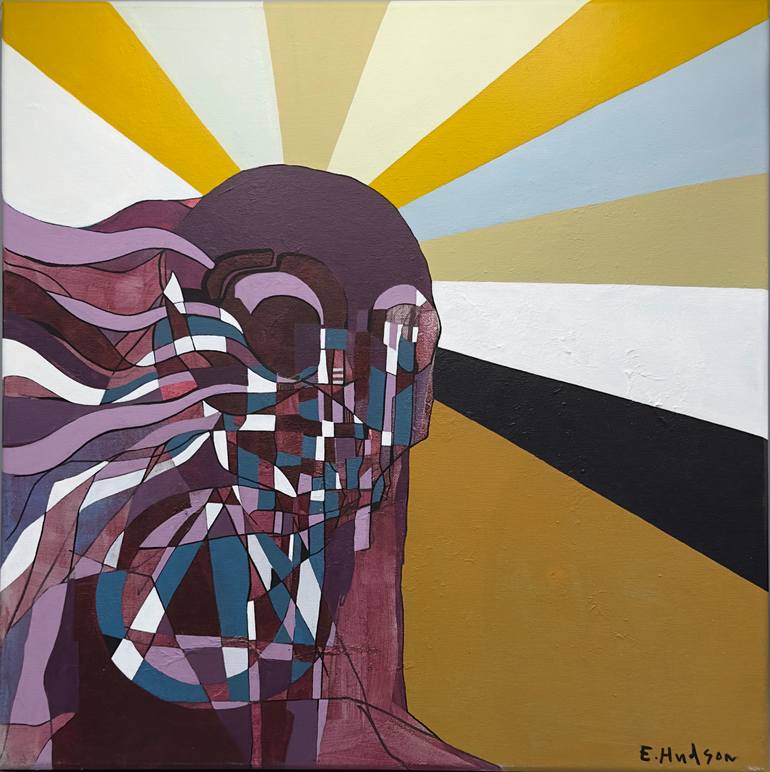
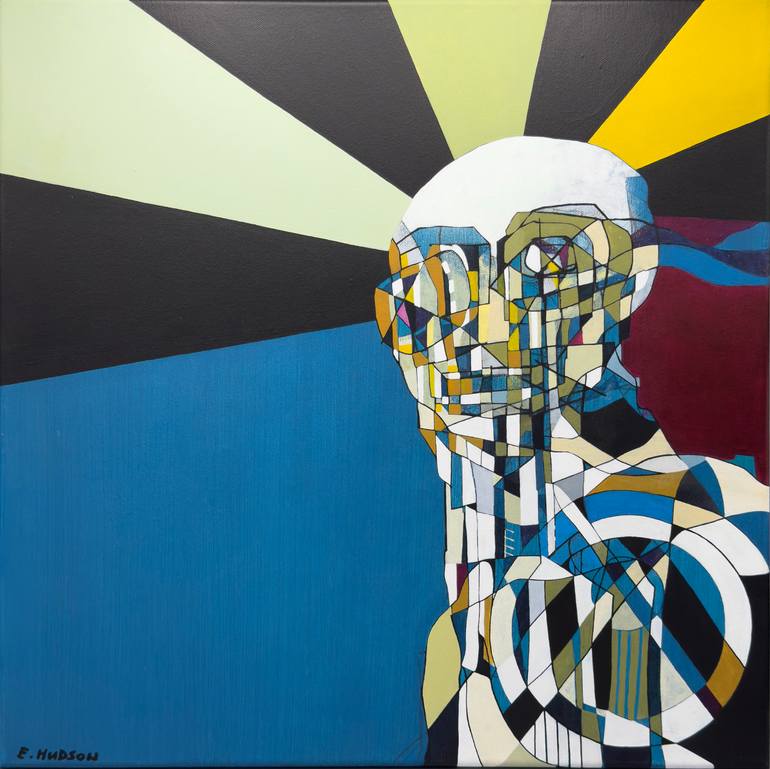
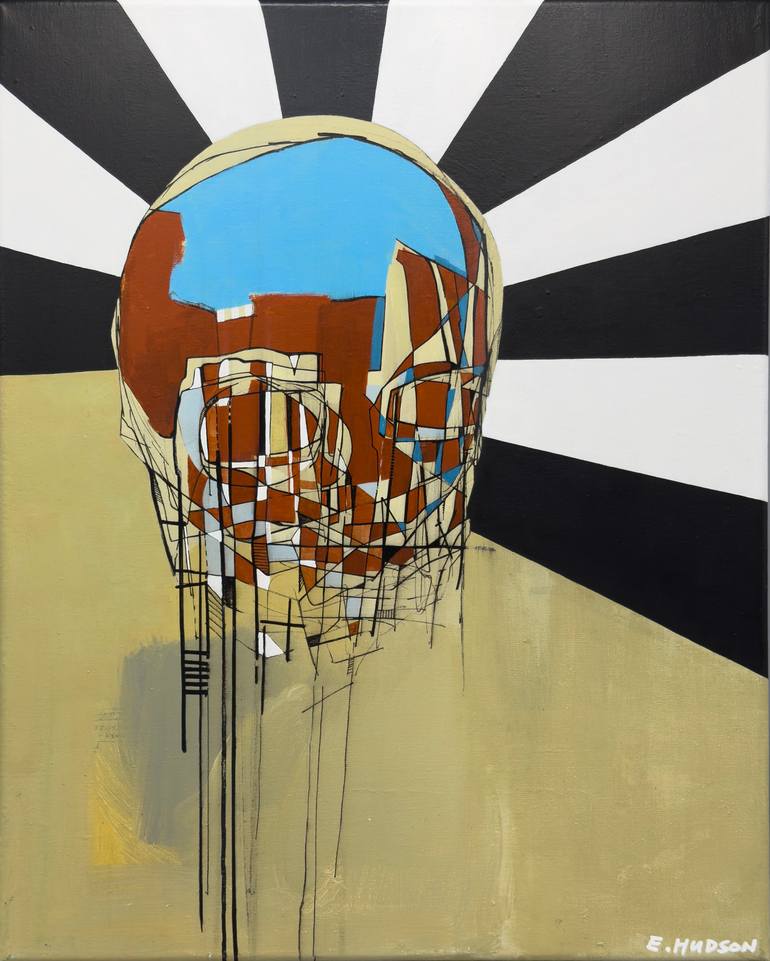
Erik Hudson (b. 1983, England) has been making work for twenty-five years, exhibiting widely along the way — raw, physical paintings on canvas, wood, cement and metal. The surfaces look weathered and worked over: spray paint, ink and marker built up until they read like walls that have been through something. Behind the work runs a long influence: Carlos Castaneda, whose books on his apprenticeship to the Yaqui shaman Don Juan opened a generation to another way of seeing, and whose presence is still felt in every piece.
Portrait and profile copy provide artist context only. The works below are not constituents of the market measures on this page, and Maltaro makes no price claim, valuation, recommendation, or endorsement claim about them.
Keep the record visible
The 2025 price-index and market-sales observations above are historical measures only. They do not relate to the value of an individual artwork and should not be treated as a recommendation to buy or sell.
Sources: Artprice100©, 2025 annual result; and Art Basel & UBS Global Art Market Report 2026. Retrieved 4 September 2026.